The Ultimate Guide to Deep Cleaning Your Kitchen Like a Pro
Transform your most-used room from cluttered to clinical with our expert-vetted sequence for a pristine culinary environment.
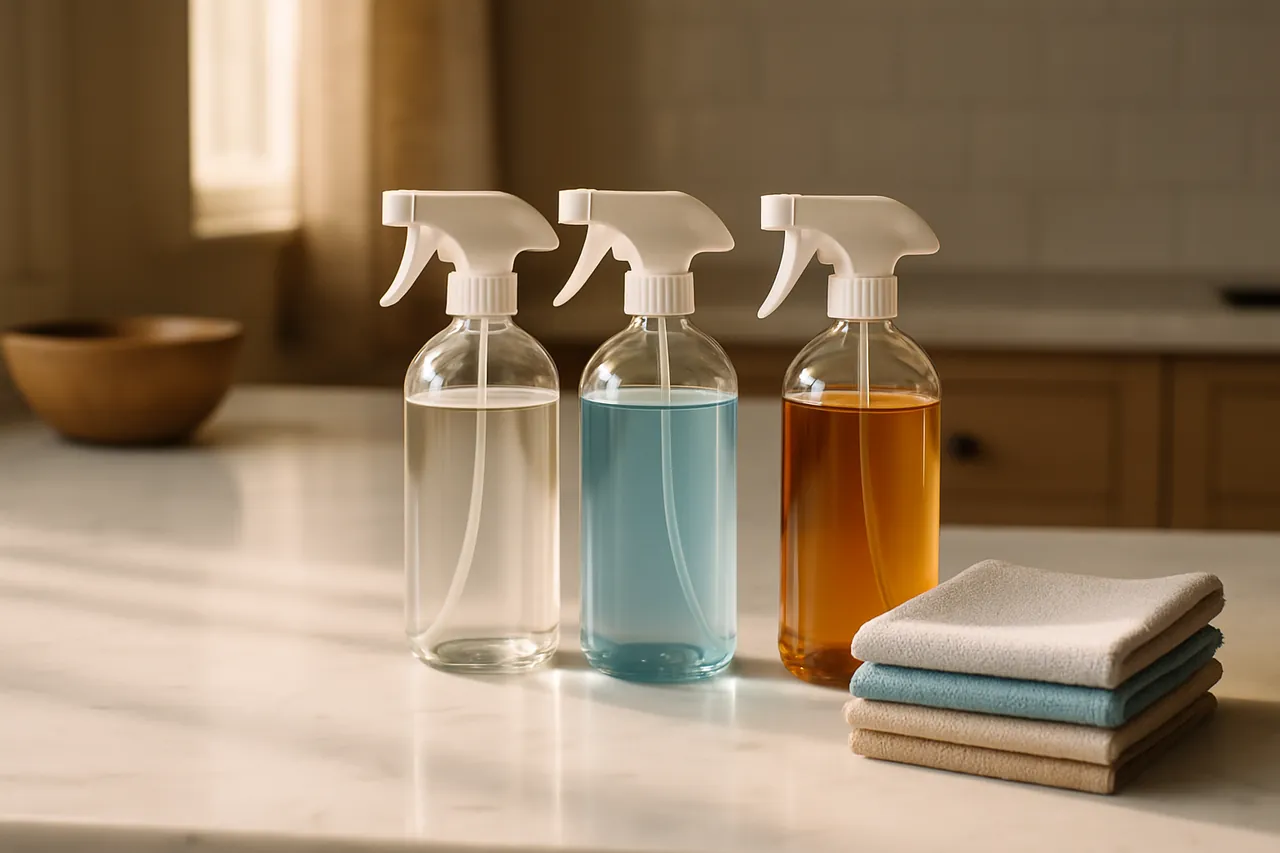
1. The Professional Toolkit
To achieve a truly pristine result, skip the supermarket multipurpose sprays and invest in targeted solutions. Professional cleaners rely on chemistry—pH-neutral for stone, alkaline for grease, and acidic for scale.
| Category | Editor's Pick | Primary Benefit |
|---|---|---|
| Degreaser | Zep Heavy-Duty Citrus | Dissolves organic fats on contact |
| Stone Cleaner | Black Diamond Granite | pH-balanced, streak-free shine |
| Tools | Microfiber 400GSM Cloths | Lifts bacteria without scratching |
2. Deep Cleaning Appliances
The heart of the kitchen often harbors the most invisible grime. Focus on the refrigerator coils and the oven seals to improve efficiency and hygiene.
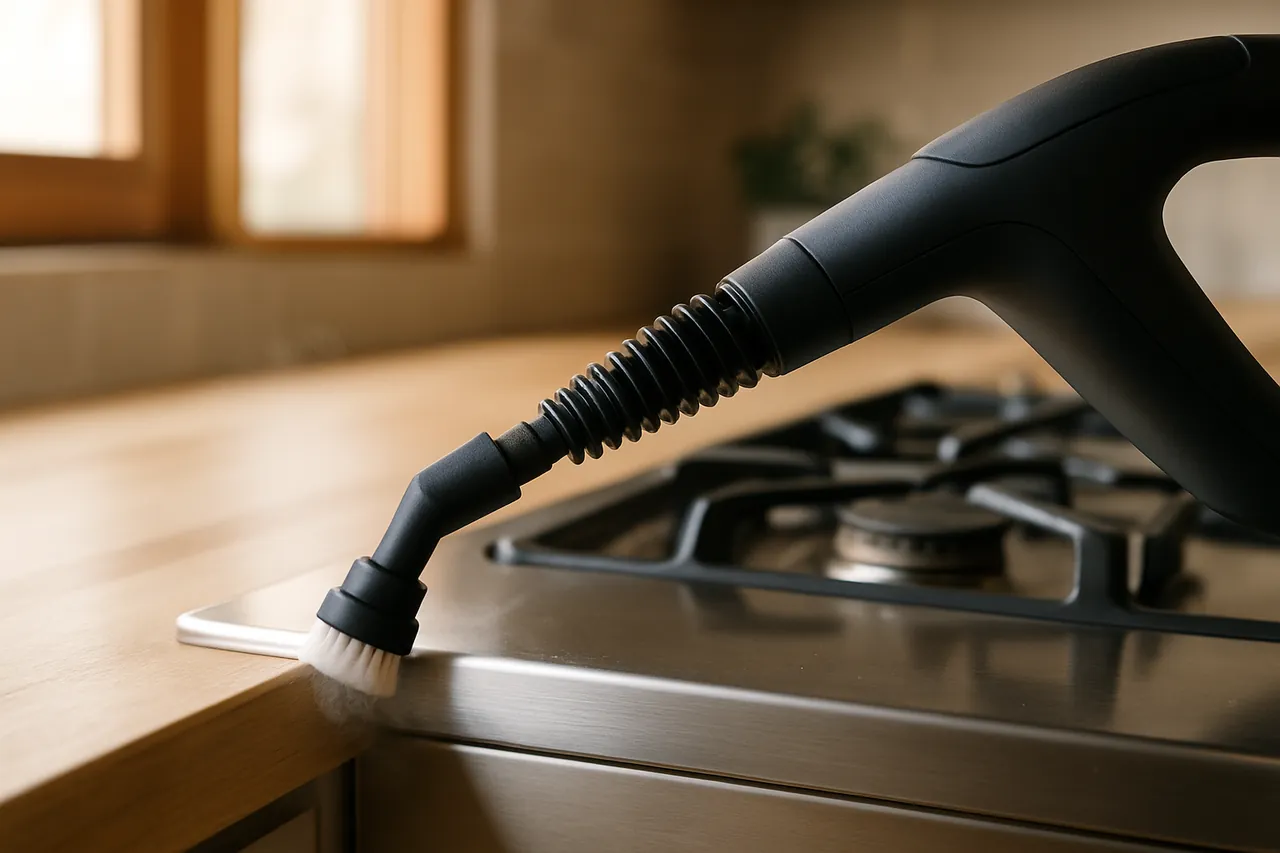
Dupray Neat Steam Cleaner
The gold standard for chemical-free kitchen sanitation. It kills 99.9% of bacteria and melts through oven grease in seconds.
3. The Order of Operations
The single biggest difference between an amateur and a professional kitchen clean isn't the products — it's the sequence. Clean in the wrong order and you'll re-dirty surfaces you've already finished. The rule professionals follow is simple: top to bottom, dry to wet, clean to dirty. Crumbs and dust fall downward, so you always work from high shelves and cabinet tops down toward the floor, which is cleaned last.
Within that, a reliable run is: clear and wipe counters → tackle the backsplash and any grease zones around the cooktop → degrease and sanitise appliances → hand-wash or load anything in the sink → disinfect high-touch points (handles, switches, faucet) → finish with the floor. Apply degreaser and let it dwell while you do other tasks; chemistry needs contact time, and impatient wiping is why baked-on grease seems "impossible." A clean kitchen is mostly a matter of letting the right product sit, not scrubbing harder.
The spots almost everyone misses
- The refrigerator drip pan and coils. Dust-clogged coils make the fridge work harder and cost more to run; a quick vacuum twice a year pays for itself.
- The dishwasher filter. A clogged filter is the number-one reason dishes come out gritty — pull it, rinse it, and the "broken" dishwasher is fixed.
- Cabinet handles and the fridge door seal. The highest-touch, least-cleaned surfaces in the room; the gasket also traps mould if left damp.
- Under and behind the appliances. The toe-kick gap and the gap beside the range collect grease-bound dust that ordinary sweeping never reaches.
- The sink overflow and drain. A frequent source of lingering odour even when every visible surface is spotless.
Hit those five on each quarterly deep clean and the kitchen doesn't just look clean — it stays hygienic and runs more efficiently between sessions.
4. Frequently Asked Questions
How often should I deep clean?
For a high-use kitchen, a quarterly deep clean is the professional standard. High-touch surfaces should be sanitized daily.
Is vinegar safe for marble?
Absolutely not. Acidic cleaners like vinegar will etch the surface of marble permanently. Use a pH-neutral stone cleaner.
Can I steam clean sealed grout?
Yes, but keep the nozzle moving and re-seal grout afterward, as high heat can degrade older sealant over time.